Source Ceiling Mounted Erv Hvac System for Hotels, Offices, Schools
Compare 30 ceiling mounted erv hvac system units from verified Chinese suppliers. Buyers can evaluate airflow, voltage, and control options for commercial and residential applications to find the best fit for their specific ventilation needs; compare the available evidence and request quotations based on your requirements.
Key considerations
Products List




Comprehensive Sourcing Guide
Ceiling Mounted ERV HVAC System Sourcing Guide
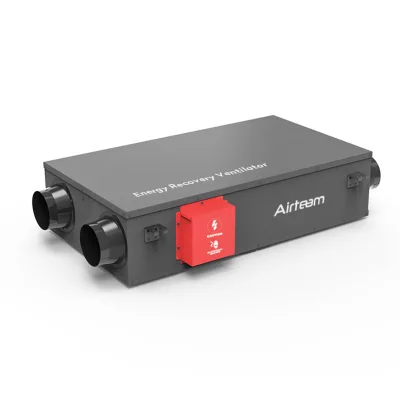
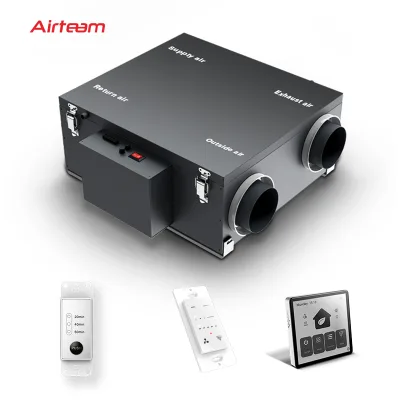
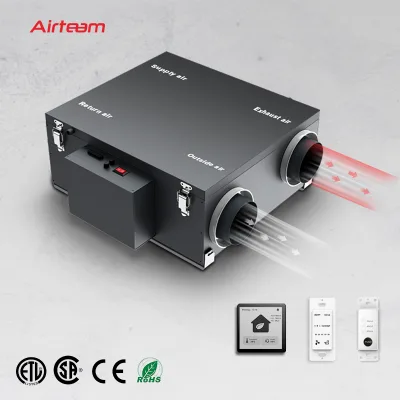
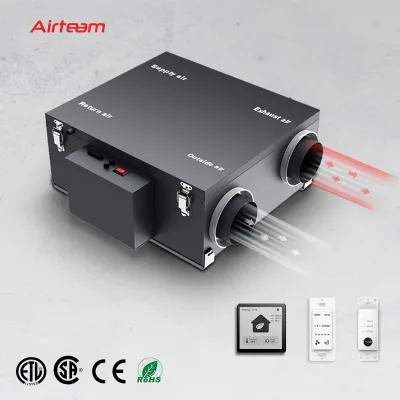
Sourcing ceiling mounted energy recovery ventilator (ERV) systems requires a clear understanding of how these units integrate into broader HVAC architectures. These systems are designed to maintain indoor air quality while minimizing energy loss by transferring heat and moisture between exhaust and incoming fresh air streams. Buyers must evaluate whether the unit’s airflow capacity, typically ranging from 150 to 25,000 cubic meters per hour, aligns with the specific ventilation needs of the target space. The choice between axial and centrifugal fan configurations often dictates the static pressure capabilities and installation complexity, influencing the final system design.
Procurement decisions should also account for the diverse application environments supported by modern ERV units. These systems are suitable for a wide array of settings, including commercial spaces like shopping malls, libraries, and bars, as well as residential and institutional buildings such as apartments, hotels, hospitals, and schools. The versatility of these units allows them to serve both large-scale industrial workshops and smaller home offices or bedrooms. Understanding the specific environmental demands of each application is crucial for selecting the appropriate motor type, whether AC, DC, or EC, and ensuring the unit can handle the required airflow without excessive noise or energy consumption.
Product Scope and Observed Listing Signals
The market for ceiling mounted ERV systems presents a wide variance in pricing and minimum order quantities, reflecting the diversity of available configurations. Observed listing prices range significantly, indicating that buyers can find options for both budget-conscious projects and high-end commercial installations. Minimum order quantities typically start as low as one unit, facilitating small-scale retrofits or pilot projects, while larger orders may benefit from volume discounts. This flexibility allows procurement teams to scale their purchases according to project phases, ensuring that capital expenditure is aligned with immediate operational needs rather than speculative future demand.
Physical specifications and packaging details provide critical insights into the logistical considerations of these purchases. Units often come in standard carton packaging, with specific dimensions and gross weights that impact shipping costs and handling requirements. For instance, some models have single package sizes around 86x65x35 cm and weigh approximately 35 kg, which necessitates careful planning for warehouse storage and on-site installation. Buyers should verify the exact dimensions and weight of the specific model they intend to purchase, as these factors directly influence freight charges and the feasibility of ceiling suspension in existing building structures.
Technical Specifications to Verify
Verifying the technical specifications of an ERV system is paramount to ensuring optimal performance and compatibility with existing infrastructure. Key parameters to confirm include the airflow rate, static pressure, and power consumption, which vary significantly across different models. For example, some units offer airflow options between 80 and 175 CFM with power ratings of 72W or 198W, while others support much higher volumes up to 25,000 CBM. Buyers must match these specifications to the ventilation requirements of the space, ensuring that the unit can maintain adequate air exchange rates without overburdening the electrical system or failing to meet humidity control needs.
The control mechanisms and filtration capabilities are equally important considerations for long-term operational efficiency. Modern ERV systems often feature intelligent controls, including BMS integration, CO2 monitoring, and humidity control, which allow for automated adjustment of ventilation rates based on real-time indoor air quality. Additionally, the type of filter installed, such as G4, H11, H13, or HEPA, determines the level of particulate removal and impacts maintenance schedules. Buyers should verify the availability and cost of replacement filters, as well as the ease of access for maintenance, to ensure that the system remains effective and energy-efficient over its lifespan.
Compliance and Safety Documentation
Ensuring that the selected ERV system meets all relevant safety and environmental standards is a critical step in the procurement process. Common certifications observed in the market include RoHS, CE, ISO, and CCC, which indicate compliance with specific regulatory requirements in different regions. Buyers must verify that the supplier can provide valid certification documents for the specific model being purchased, as these documents are often required for customs clearance and regulatory approval in the destination country. Failure to obtain proper certification can lead to delays, fines, or the inability to install the equipment in certain jurisdictions.
In addition to certifications, buyers should inquire about the warranty and after-sales support provided by the supplier. A standard warranty period of one year is common, but the scope of coverage and the availability of spare parts should be clearly defined. After-sales services, such as online technical support and onsite installation assistance, can significantly reduce the risk of installation errors and operational issues. Buyers should assess the responsiveness and expertise of the supplier’s support team, as reliable technical assistance is essential for troubleshooting problems and ensuring the long-term reliability of the HVAC system.
Cost Drivers and Commercial Terms
Several factors influence the total cost of ownership for ceiling mounted ERV systems, beyond the initial purchase price. The choice of motor type, such as EC motors which offer higher efficiency and variable speed control, can impact both the upfront cost and long-term energy savings. Similarly, the inclusion of advanced features like intelligent controls or high-efficiency filters may increase the initial investment but can lead to significant operational cost reductions over time. Buyers should conduct a total cost of ownership analysis, considering energy consumption, maintenance costs, and potential savings from improved indoor air quality and occupant productivity.
Commercial terms, including payment conditions and lead times, also play a significant role in the procurement decision. Suppliers may offer different payment structures, such as deposits or letters of credit, which can affect cash flow management. Lead times can vary based on the complexity of the order and the supplier’s production capacity, so buyers should confirm expected delivery schedules to align with project timelines. Additionally, buyers should negotiate clear terms for shipping, insurance, and liability to mitigate risks associated with international trade and ensure that the equipment arrives in good condition and on time.
Supplier Qualification and Quality Control
Evaluating the qualifications and quality control processes of potential suppliers is essential for securing reliable ERV systems. Buyers should verify the supplier’s manufacturing capabilities, including their production facilities and quality assurance protocols. Suppliers with ISO certification often demonstrate a commitment to standardized processes, which can result in more consistent product quality. Additionally, buyers should inquire about the materials used in construction, such as the blade material, which can affect durability and performance. Understanding the supplier’s track record and customer feedback can provide valuable insights into their reliability and the quality of their products.
Quality control measures should extend beyond the manufacturing stage to include pre-shipment inspections and testing. Buyers should request documentation of factory acceptance tests, which verify that each unit meets the specified performance criteria before dispatch. This step can help identify and rectify any defects or non-conformities before the equipment is shipped, reducing the risk of receiving faulty products. Furthermore, buyers should establish clear communication channels with the supplier to address any quality concerns promptly and ensure that any necessary corrective actions are taken efficiently.
Long-Term Procurement Checks
Long-term procurement success depends on establishing a robust framework for ongoing supplier evaluation and performance monitoring. Buyers should regularly review supplier performance metrics, such as on-time delivery rates, product quality, and responsiveness to issues. This continuous evaluation helps identify potential risks and opportunities for improvement, allowing buyers to make informed decisions about future purchases. Additionally, buyers should stay updated on industry trends and technological advancements in ERV systems, as newer models may offer improved efficiency, features, or cost-effectiveness that could benefit their operations.
Maintaining strong relationships with suppliers can also facilitate better service and support over time. Regular communication and feedback can help suppliers understand the buyer’s evolving needs and preferences, leading to more tailored solutions and improved collaboration. Buyers should also consider the availability of spare parts and the supplier’s ability to provide timely maintenance and repair services. By prioritizing long-term partnerships and continuous improvement, buyers can ensure that their ERV systems remain reliable, efficient, and cost-effective throughout their operational lifespan.
FAQs
What certifications do ceiling mounted erv hvac systems have?
These systems typically hold RoHS, ISO, CE, and CCC certifications. The product attributes confirm multiple compliance standards are available. Buyers should verify specific documentation for their region before finalizing procurement to ensure regulatory alignment.
Can I customize the airflow capacity for this system?
Yes, customization is available for airflow ranging from 150 to 25000 cubic meters per hour. Specific models offer options like 80CFM or 175CFM. This flexibility allows integration into various commercial and residential spaces requiring precise ventilation control.
Which motor types are compatible with these units?
The units support AC, DC, and Ec motor options. This variety ensures compatibility with different power requirements and efficiency goals. Selecting the right motor type depends on the specific application needs and desired energy consumption levels for the installation.
How is the installation process handled for these fans?
Installation is designed for ceiling suspension with easy mounting features. The product includes online technical support and onsite installation services. This ensures professional setup regardless of whether the unit is placed in a hotel, office, or residential apartment.
What warranty and after-sales support are provided?
A one-year warranty is standard for these HVAC systems. After-sales services include online technical support and onsite installation assistance. Buyers receive comprehensive support to maintain system performance and address any operational issues that may arise during the warranty period.
Which applications are suitable for this energy recovery ventilator?
These systems are suitable for hotels, apartments, offices, hospitals, and schools. They also serve commercial spaces like malls and warehouses. The versatile design supports diverse environments requiring controlled air quality and efficient temperature management for occupant comfort.